

Basement Mold Removal in Dallas, TX
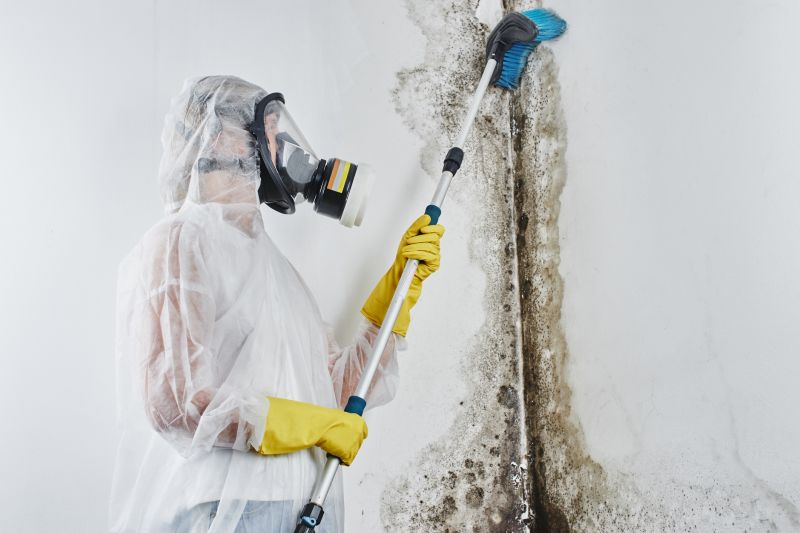
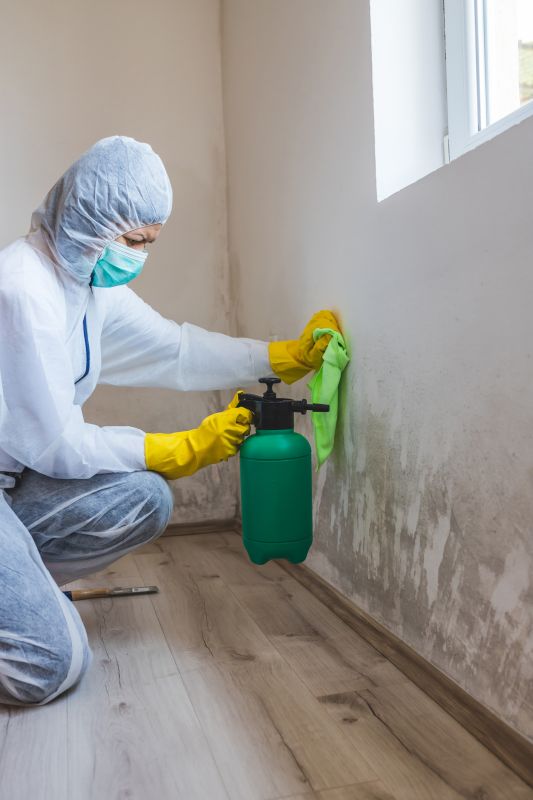
Basement mold removal services focus on identifying and eliminating mold growth in below-ground spaces within residential properties. These projects typically involve thorough inspection to locate mold colonies caused by excess moisture, humidity, or water intrusion. The process may include cleaning affected surfaces, removing contaminated materials, and implementing measures to prevent future mold development. Homeowners often seek this service to improve indoor air quality, protect property value, and ensure a healthier living environment.
Property owners considering basement mold removal usually want to understand the scope of the work, including what areas will be affected and how the mold will be safely removed. Clarifying the causes of mold growth and steps to prevent recurrence are common concerns. It is also helpful to inquire about the methods used to contain mold spores during cleanup and the types of materials that may need replacement to ensure a comprehensive and lasting solution.
Many property owners in Dallas, TX look into Basement Mold Removal for repairs, replacements, upgrades, and appearance-related improvements.
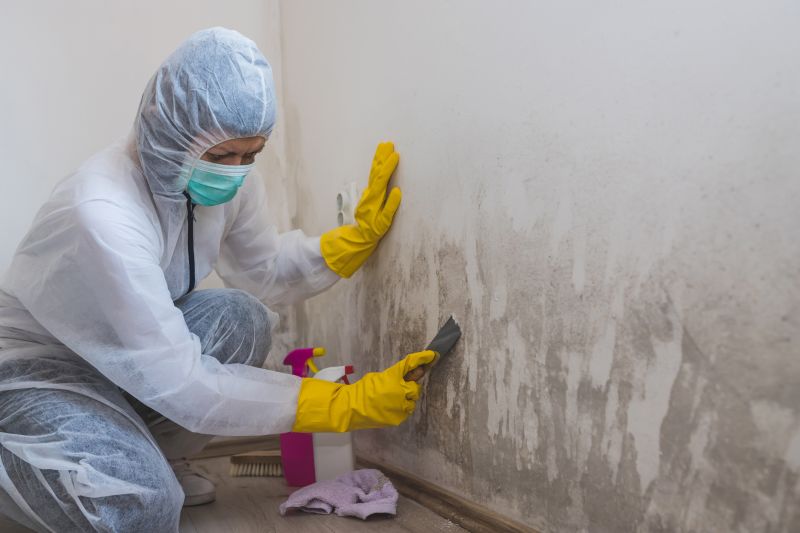
Identifying Mold In Basements
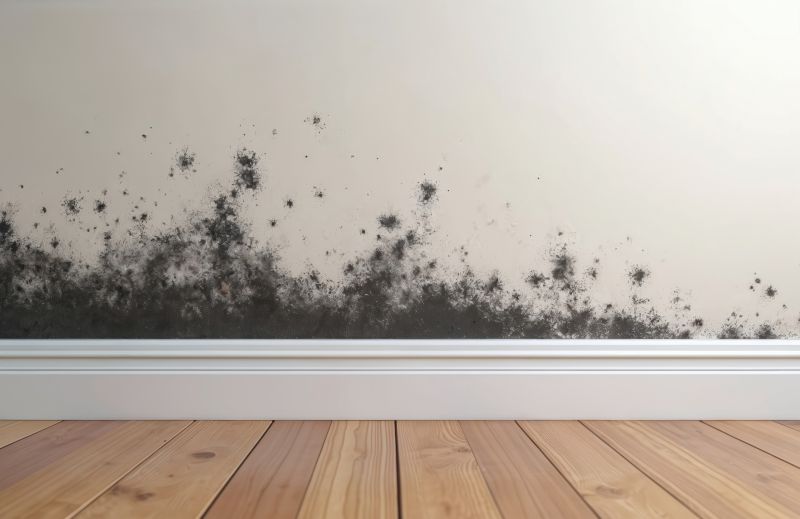
Recognizing signs of mold growth helps protect your home’s air quality and structural integrity.
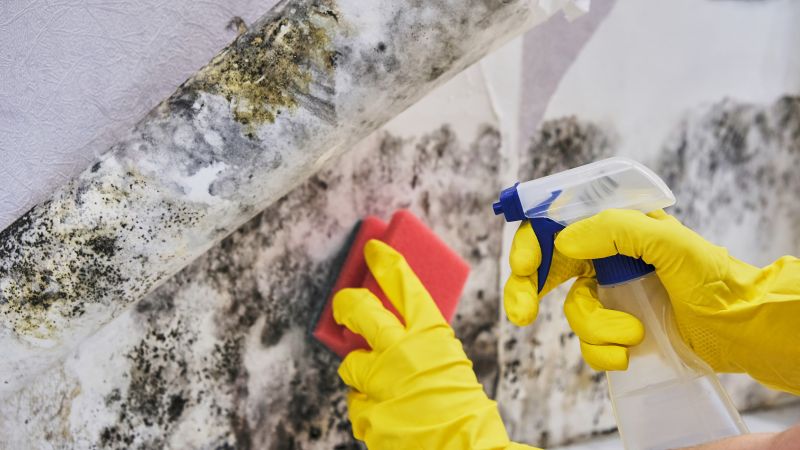
Common Causes Of Basement Mold
Excess moisture, leaks, and poor ventilation are typical factors that contribute to mold development in dallas homes.
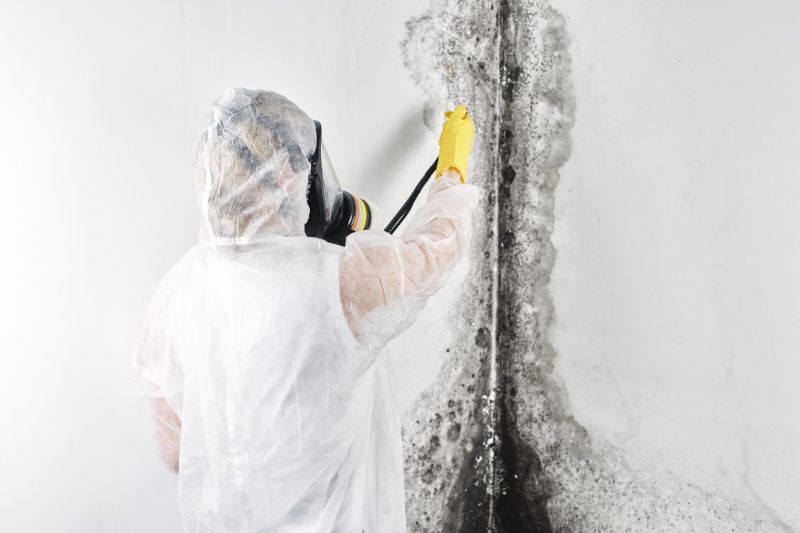
Preventing Future Mold Growth
Proper moisture control and regular inspections can minimize the risk of mold returning after removal.
Basement Mold Removal in Dallas, TX
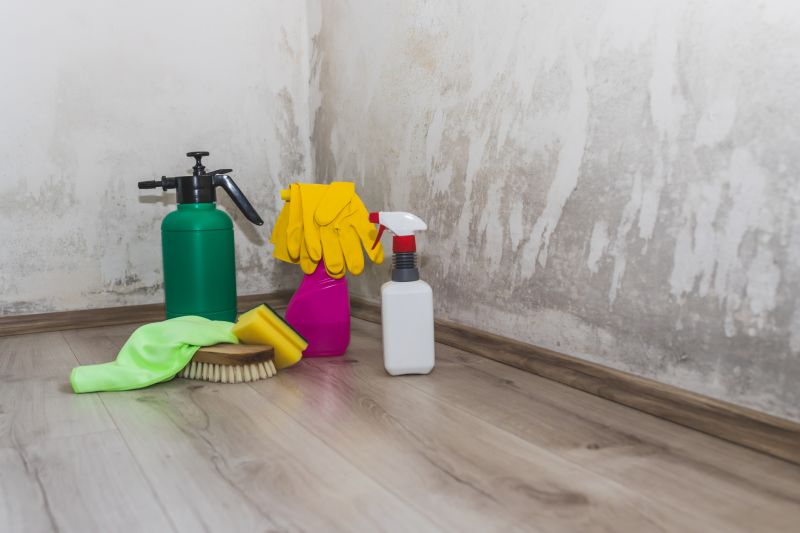
Basement mold removal services focus on identifying and eliminating mold growth in below-ground spaces within residential properties. These projects typically involve thorough inspection to locate mold colonies caused by excess moisture, humidity, or water intrusion. The process may include cleaning affected surfaces, removing contaminated materials, and implementing measures to prevent future mold development. Homeowners often seek this service to improve indoor air quality, protect property value, and ensure a healthier living environment.
Property owners considering basement mold removal usually want to understand the scope of the work, including what areas will be affected and how the mold will be safely removed. Clarifying the causes of mold growth and steps to prevent recurrence are common concerns. It is also helpful to inquire about the methods used to contain mold spores during cleanup and the types of materials that may need replacement to ensure a comprehensive and lasting solution.
Many property owners in Dallas, TX look into Basement Mold Removal for repairs, replacements, upgrades, and appearance-related improvements.
Common Basement Mold Removal Jobs
Basement Mold Removal - addresses mold growth caused by excess moisture or water leaks.
Water Damage Restoration - removes mold resulting from flooding or plumbing issues in the basement.
Mold Inspection - identifies hidden mold colonies behind walls, under flooring, or in HVAC systems.
Moisture Control - implements measures to reduce humidity and prevent future mold growth.
Black Mold Remediation - safely removes toxic mold strains that pose health risks to residents.
Structural Drying - thoroughly dries affected areas to inhibit mold spores from spreading.
Basement Mold Removal Questions
What causes mold growth in basements? Excess moisture, humidity, and poor ventilation can create ideal conditions for mold development in basements.
How can I tell if my basement has mold? Signs include a musty odor, visible spots of mold, or discoloration on walls and ceilings.
Is mold removal safe for my home? Professional mold removal uses specialized techniques to safely eliminate mold and reduce health risks.
What types of projects typically require mold removal services? Common projects include addressing water leaks, flooding, or persistent humidity issues that lead to mold growth.
Request Basement Mold Removal in Dallas, TX
Use the quote form on this page to share the basics of your project and request more information for the type of work you need.